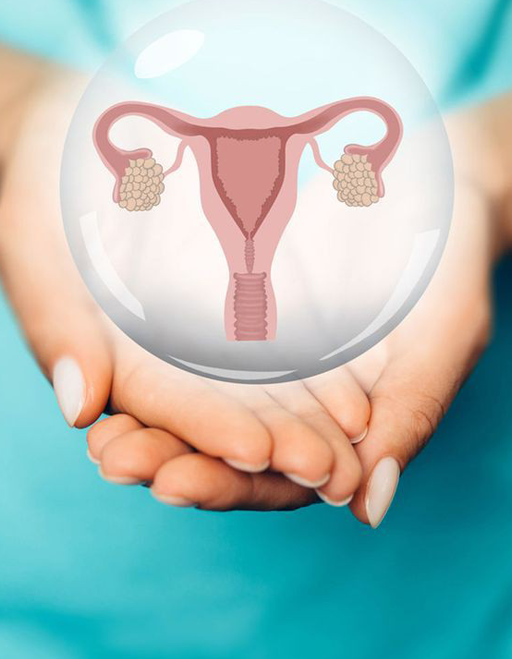
تجرى عملية تنظيف الرحم لعلاج الحالات التالية: وجود أنسجة غير طبيعية متبقية في الرحم بعد الإجهاض، وتجرى عملية تنظيف الرحم بعد الاجهاض لمنع الإصابة بالعدوى أو النزيف الشديد. عملية تنظيف الرحم من الزوائد اللحمية ولإزالتها من عنق الرحم أيضاً. إزالة الحمل العنقودي، وهو الحمل الذي يتكون فيه ورم غير سرطاني بدلاً من الجنين.
دواعي اجراء عملية تنظيف الرحم
يلجأ الأطباء لعملية تجريف الرحم لأسباب علاجية وتشخيصية. تجرى عملية التنظيفات لأخذ عينات من بطانة الرحم في الحالات التالية:
· وجود خلايا غير طبيعية في الرحم.
· النزيف المهبلي بعد سن اليأس.
نزيف الرحم الغير طبيعي
تجرى عملية تجريف الرحم لتشخيص الحالات التالية:
· زيادة سماكة الرحم، إذ قد تشير الزيادة في سماكة بطانة الرحم إلى وجود سرطان.
· أورام الرحم الحميدة.
· سرطان الرحم.
· العقم.
تجرى عملية تنظيف الرحم لعلاج الحالات التالية:
وجود أنسجة غير طبيعية متبقية في الرحم بعد الإجهاض، وتجرى عملية تنظيف الرحم بعد الاجهاض لمنع الإصابة بالعدوى أو النزيف الشديد.
عملية تنظيف الرحم من الزوائد اللحمية ولإزالتها من عنق الرحم أيضاً.
· إزالة الحمل العنقودي، وهو الحمل الذي يتكون فيه ورم غير سرطاني بدلاً من الجنين.
· إزالة الأورام الليفية من الرحم.
· إزالة بقايا المشيمة التي تسبب النزيف الشديد بعد الولادة.
في بعض الحالات قد يجري الطبيب عملية تنظير الرحم بالإضافة إلى عملية تنظيف ويطلق البعض على هذه العملية عملية تنظيف الرحم بالمنظار الإ أنه في الواقع كل منهما عملية مختلفة عن الأخرى تجريان معاً لإزالة أي نمو غير طبيعي في الرحم مثل الأورام الليفية والزوائد اللحمية.
· طريقة عملية تنظيف الرحم
تقسم عملية تنظيف الرحم إلى مرحلتين وهما التحضير للعملية، ومرحلة أجراء العملية، وتنطوي مرحلة التحضير لعملية تنظيف الرحم على ما يلي:
· الصيام عن الأكل والشرب في يوم عملية تجريف الرحم.
· إجراء الفحوصات الطبية اللازمة.
· خلع الملابس وارتداء رداء خاص بالعمليات.
.تشمل الخطوات أثناء عملية تنظيف الرحم على ما يلي:
الاستلقاء على طاولة العمليات، المشابهة لسرير أخذ مسحة عنق الرحم وسرير الولادة.
توصيل المريضة بأجهزة تعمل على قياس الضغط والتنفس وضربات القلب.
التخدير ويمكن أن تجرى عملية تنظيف الرحم تحت تأثير التخدير العام، أو تخدير فوق الجافية (إبرة الظهر)
يقوم الطبيب بإدخال منظار عن طريق المهبل ليتمكن من رؤية عنق الرحم.
يقوم الطبيب بتوسيع عنق الرحم من خلال إدخال قضبان بشكل متسلسل في فتحة عنق الرحم، ويكون كل قضيب أكثر سماكة من القضيب السابق بقليل.
بعد توسيع عنق الرحم يدخل الطبيب أداة تجريف الرحم ليقوم بإزالة الأنسجة.
إذا لم تتمكن أداء الكشط من إزالة جميع الأنسجة فقد يستخدم الطبيب جهاز شفط لإزالة الأنسجة المتبقية.
بعد الانتهاء يخرج الطبيب جميع الأجهزة عبر المهبل، وترسل الأنسجة التي تم استخراجها إلى المختبر ليتم فحصها.
فوائد عملية تنظيف الرحم
لعملية تنظيف الرحم الكثير من الفوائد التي تفوق أضرارها المحتملة، ومن فوائد هذه العملية ما يلي:
· التخلص من وقت انتظار الإجهاض حتى يحدث من تلقاء نفسه.
· التخفيف من الألم أثناء الإجهاض الطبيعي.
· التخفيف من الانزعاج الناجم عن رؤية الدم والأنسجة أثناء الإجهاض الطبيعي.
· الكشف عن الأنسجة غير الطبيعية في الرحم.
· علاج بعض مشاكل الرحم التي لا يمكن علاجها بالأدوية.
تجنب تطور المضاعفات الناجمة عن الانتظار في بعض الحالات مثل بقاء الجنين الميت في الرحم، أو استمرار النزيف في مرحلة ما بعد سن اليأس.
يعتبر إجراء آمن ولا يؤثر على خصوبة المراة وقدرتها على الحمل في المستقبل.
مخاطر عملية تنظيف الرحم
من النادر أن تحدث مضاعفات بعد عملية تنظيف الرحم، ويمكن أن تشمل المضاعفات ومخاطر عملية تنظيف الرحم عند حدوثها على ما يلي:
· التعرض للعدوى.
· رد الفعل التحسسي للأدوية المستخدمة في التخدير.
· تندب الرحم الذي يسبب تغيرات في الدورة الشهرية والعقم وتعرف هذه الحالة بمتلازمة اشرمان وهي حالة نادرة جداً.
· ثقب الرحم.
· تمزق عنق الرحم.
· ثقب الأمعاء أو المثانة.
· النزيف.
تشمل الأعراض التي تشير إلى الحاجة لرؤية الطبيب بعد عملية تجريف الرحم، والتي قد تشير إلى تطور مضاعفات على ما يلي:
· الحمى.
· النزيف المهبلي الشديد الذي يحتاج إلى تغيير الفوطة الصحية كل 10- 20 دقيقة.
· تمرير كتل كبيرة من الدم المتجلط عبر المهبل.
· خروج إفرازات مهبلية كريهة الرائحة.
استمرار تقلصات الرحم والألم لأكثر من 48 ساعة.